

Russia Opens Bitcoin Trading Through Its Biggest Banks: Sberbank Cleared for December 1 Launch
The Bank of Russia added Sberbank to its new register of crypto exchangers. Russia's largest bank plans to open bitcoin, ether and USDT trading on December 1, four years after the central bank proposed a crypto ban.

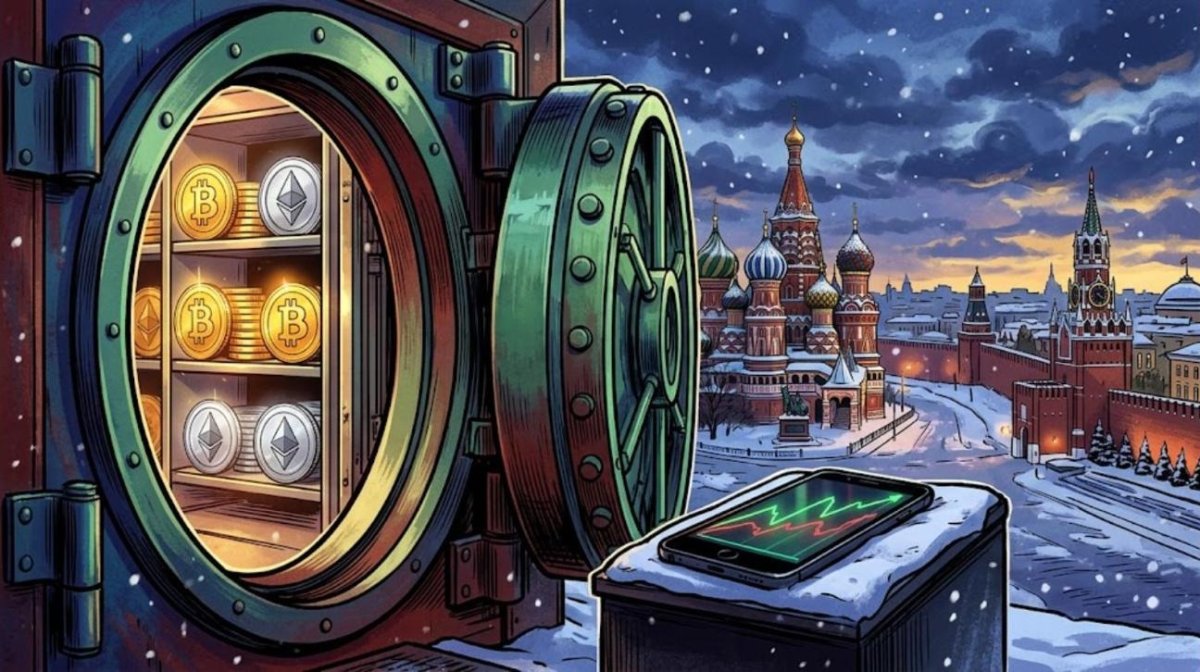
Published October 14, 2026. Russia's largest bank is about to sell bitcoin to its customers. The Bank of Russia has added Sberbank to its new register of crypto exchangers, a week after publishing the country's first lists of licensed crypto firms, and Sberbank plans to open trading in bitcoin, ether and USDT on December 1. Four years after the central bank proposed banning crypto outright, Moscow is building a regulated market run by its biggest, and sanctioned, banks.
Key takeaways
- On October 6, 2026 the Bank of Russia created two registers under the law "On Digital Currencies and Digital Rights", in force since September 1: 5 digital depositaries and 4 crypto exchangers.
- Sberbank, first listed as a depositary, has now been added to the exchanger register, according to Interfax and CoinDesk (October 13).
- Sberbank plans to open trading to clients on December 1, 2026, through SberBank Online, SberInvestments and SberBusiness. The central bank will set the final list of permitted coins.
- Non-qualified investors will face an annual cap, reported at about $3,500, and a test; crypto payments for goods and services remain banned.
- Firms have until September 1, 2027 to comply fully with the law, according to the Bank of Russia.
What the Bank of Russia did
In a press release dated October 6, 2026, the Bank of Russia said it had made the first entries in two new registers, under transitional provisions of the law on digital currencies that took effect on September 1:
- Digital depositaries keep records of clients' crypto, transfer it, and can give clients access to the blockchain addresses where it is held;
- Crypto exchangers buy and sell digital currencies in their own name and for their own account, outside organised trading.
From the date of inclusion, these firms must follow the new rules on crypto transactions and accounting, and they have until September 1, 2027 to bring all their activities into line with the law.
Who is on the list
| Register | First entries (Oct. 6, 2026) | Added since |
|---|---|---|
| Digital depositaries (5) | Sberbank, VTB Bank, Atomyze, Voltari, Cloud Infrastructure | — |
| Crypto exchangers (4, then 5) | VTB Bank, T-Invest Lab, Zefir, Sistema-Crypto | Sberbank (reported Oct. 13) |
Counts: Bank of Russia press release. Names: The Paypers (Oct. 9) and CoinDesk/Interfax (Oct. 13); the central bank's release does not list names. Table compiled by BullishStation.
The two biggest state-controlled banks, Sberbank and VTB, will therefore hold and trade crypto for retail and business clients.
From proposed ban to state-run market
| Date | Step |
|---|---|
| January 2022 | The Bank of Russia proposes banning domestic crypto exchanges and crypto activity by Russian financial firms (consultation paper) |
| August 2026 | Law on digital currencies and digital rights signed |
| September 1, 2026 | Law takes effect |
| October 6, 2026 | First registers published: 5 depositaries, 4 exchangers |
| October 13, 2026 | Sberbank added to the exchanger register (reported) |
| December 1, 2026 | Planned start of Sberbank crypto trading for clients |
| September 1, 2027 | Deadline for registered firms to comply fully with the law (Bank of Russia) |
Some media report a July 2027 deadline after which crypto transactions must go through registered intermediaries; the Bank of Russia's release gives September 1, 2027 for compliance. We will update this article when the central bank clarifies.
Why it matters
Sanctions. Sberbank and VTB have been under full US blocking sanctions since 2022 and are cut off from much of the Western financial system. A regulated crypto channel run by these banks gives Russian savers and companies a domestic route into bitcoin and dollar stablecoins such as USDT, while payments in crypto stay banned at home. Western regulators and stablecoin issuers will watch how these flows connect to global exchanges: Tether has frozen sanctioned wallets before (see how stablecoin issuers control their tokens), and the US Treasury has been actively pursuing sanctioned crypto, as in its move against Iranian holdings.
BRICS and de-dollarisation. Russia has promoted crypto and alternative payment rails within the BRICS group as a way around Western financial infrastructure. Yet the first products on offer include USDT, a dollar-backed token: the dollar's reach extends on-chain too.
Demand. Opening crypto to the customers of Russia's largest bank creates a potential new source of retail demand, but the annual cap for non-qualified investors limits how much each person can buy. Compare that with US spot Bitcoin ETFs, which still hold $57.3 billion of net inflows since launch (ETF flows tracker).
What to watch next
- The Bank of Russia's final list of permitted cryptocurrencies, and whether USDT stays on it.
- Sberbank's December 1 launch and the conditions for retail clients.
- Any reaction from the US Treasury's OFAC or the EU to crypto services offered by sanctioned banks.
FAQ
Can Russians buy bitcoin at Sberbank?
Sberbank plans to open trading in bitcoin, ether, USDT and other major tokens on December 1, 2026, subject to the central bank's final list of permitted coins.
Is crypto legal in Russia?
Buying and holding crypto through registered intermediaries is legal under the law in force since September 1, 2026. Using crypto to pay for goods and services in Russia remains banned.
Which firms are licensed?
The first registers list 5 digital depositaries (including Sberbank and VTB) and 4 crypto exchangers (including VTB and T-Invest Lab), with Sberbank added as an exchanger.
Are there limits for small investors?
Yes. Non-qualified investors must pass a test and face an annual purchase cap, reported at about $3,500. Qualified investors also take a test but have no cap.
Does this help Russia avoid sanctions?
The scheme is domestic and run by sanctioned banks. How it connects to international crypto markets, and how Western authorities respond, is the key open question.
Also in Asia: Thailand opens its stock exchange to Bitcoin and Ether ETFs from October 16
Related reading: What is a stablecoin? · US to seize $1 billion in Iranian crypto · Bitcoin ETF flows tracker · What is Bitcoin? · Tokenized stocks compared · Macroeconomics explained for crypto investors
Sources: Bank of Russia, press release (Oct. 6, 2026) · Bank of Russia, consultation paper (Jan. 2022) · Interfax (Oct. 13, 2026) · CoinDesk (Oct. 13, 2026) · The Paypers (Oct. 9, 2026) · Farside Investors
This article is for information only and is not investment advice. Crypto-assets are volatile and you can lose all of your capital.
What's Your Reaction?
 Like
0
 Dislike
0
 Love
0
 Funny
0
 Wow
0
 Sad
0
 Angry
0










Comments (0)